Learn a little about the variety of Cigars we carry.
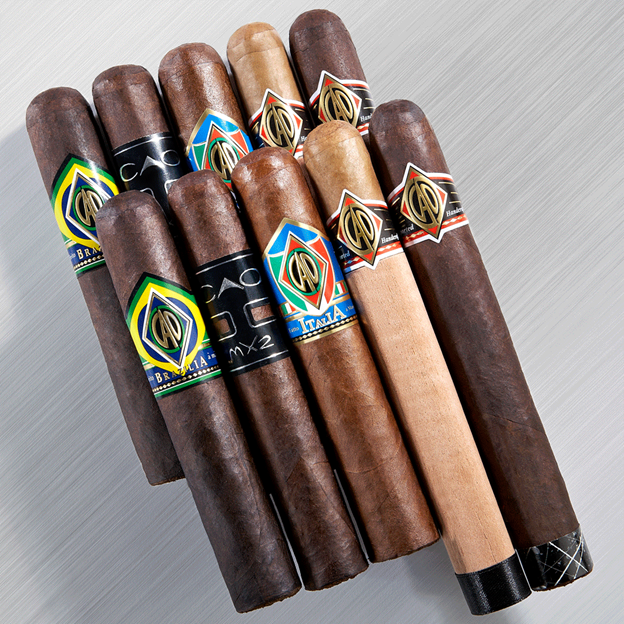
CAO Cigars
Origin & Production: Founded in 1968 by Cano Aret Ozgener in Nashville, TN, it was originally a company that sold pipes and humidors. The company transitioned to cigar production in 1995.
Location: The company’s Esteli, Nicaragua factory is the primary production hub for most CAO cigars, but they also have factories in Honduras and the Dominican Republic.
Tobacco: Nicaragua is known for its strong, spicy tobacco, however CAO also uses tobaccos from a global network of locations including Honduras, the Dominican Republic, Brazil and South Africa.
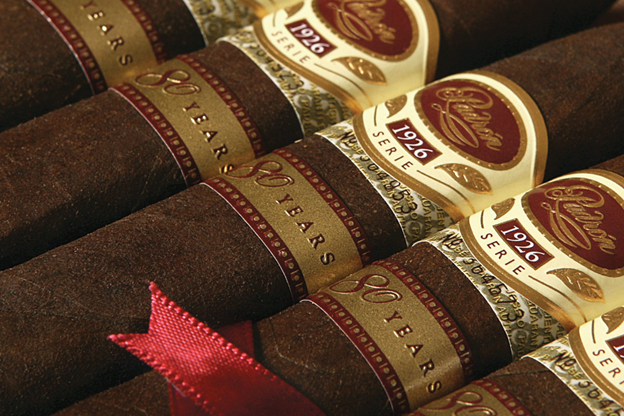
Padron Cigars
Origin & Production: While the Padron family has Cuban roots, they moved their operations to Nicaragua in 1970.
Location: The cigars are handmade in Esteli, Nicaragua, using Nicaraguan tobacco grown on farms they own.
Tobacco: The cigars are made with tobacco grown from Cuban-seed plants, which is a common practice for many high-quality cigars made outside of Cuba.
Epic Cigars
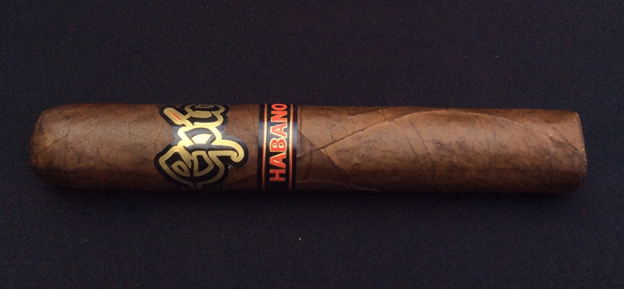
Origin & Production: Founded by Dean Parsons in 2010, was acquired by Zander-Greg in 2019, it has also produced special lines, such as ‘Epic Ten’ in Nicaragua with AJ Fernandez.
Location: Primarily handcrafted in the Dominican Republic at the Charles Fairmorn factory.
Tobacco: Typically uses a mix of top-tier tobaccos from the Dominican Republic. Some lines feature multi-national blends, incorporating leaves from different countries; i.e. The Epic Habano (DR & Nicaragua) and The Epic Ten (Cameroon wrapper and Nicaragua binder & filler).
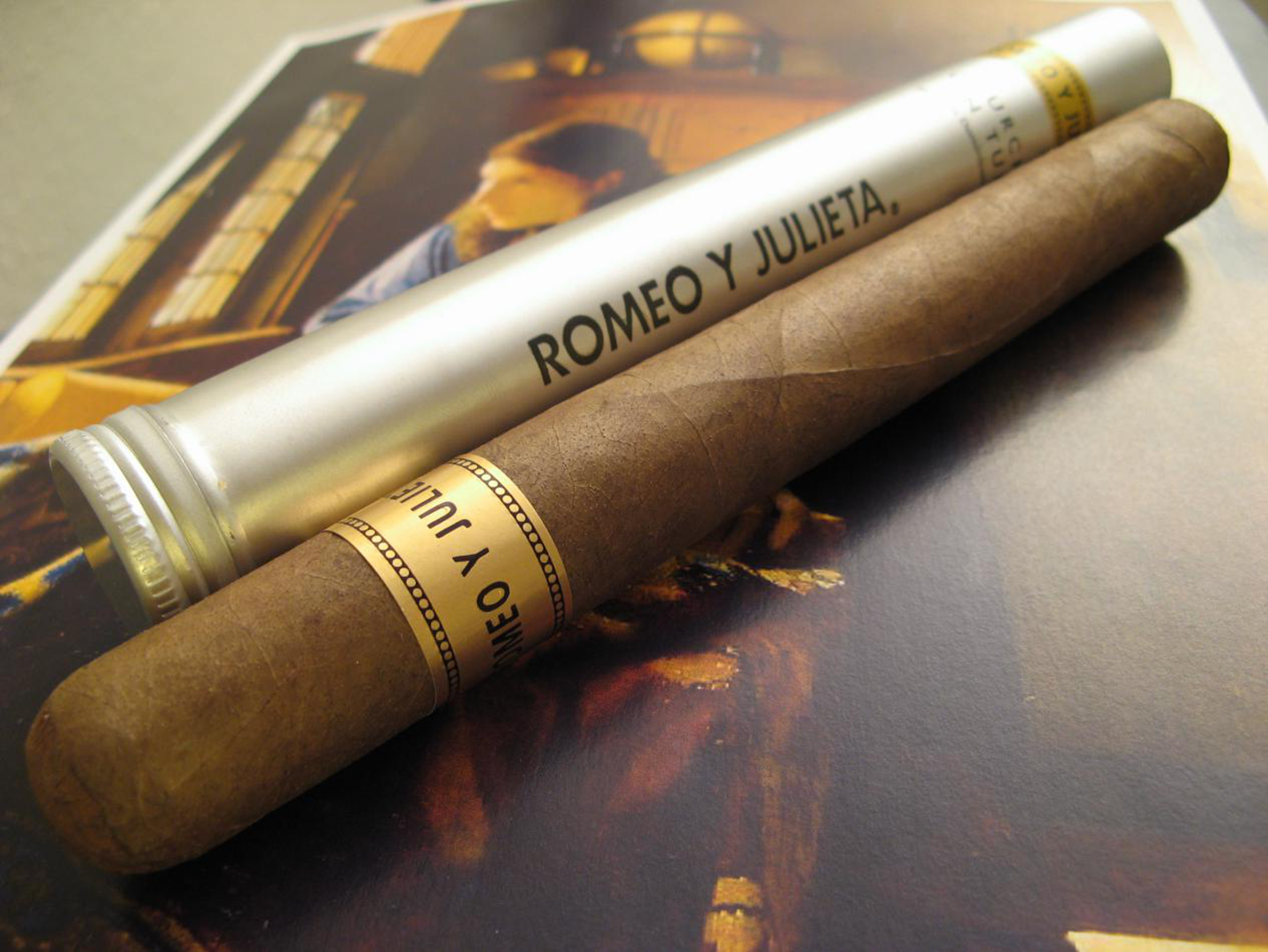
Romeo & Juliet Cigars
Origin & Production: Cuban cigars have been produced since the brand’s founding in Cuba in 1875. Production shifted for the U.S. market after the Cuban Revolution.
Location: Authentic, Cuban-made cigars are produced in Cuba using Cuban tobacco from the Vuelta Abajo region. Non-Cuban versions are made in the Dominican Republic (and other locations like Honduras & Nicaragua).
Tobacco: Today, non-Cuban versions use tobaccos from various countries, including the Dominican Republic, Nicaragua, Honduras, and Mexico.
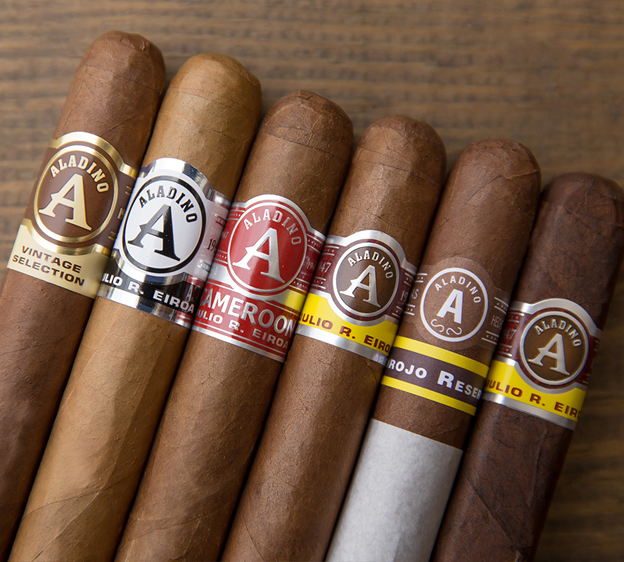
Aladino Cigars
Origin & Production: Made by the JRE Tobacco Company, founded by Julio Eiroa and his son Justo.
Location: Production takes place at the family’s Las Lomas factory in Danli, Honduras.
Tobacco: The brand emphasizes making cigars entirely from Authentic Corojo tobacco grown on their own farms. The Aladino Connecticut line features an Ecuadorian-grown Connecticut shade wrapper, while other blends might incorporate Honduran-grown Cameroon wrappers.
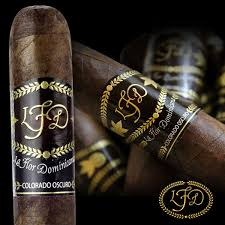
LFD Cigars
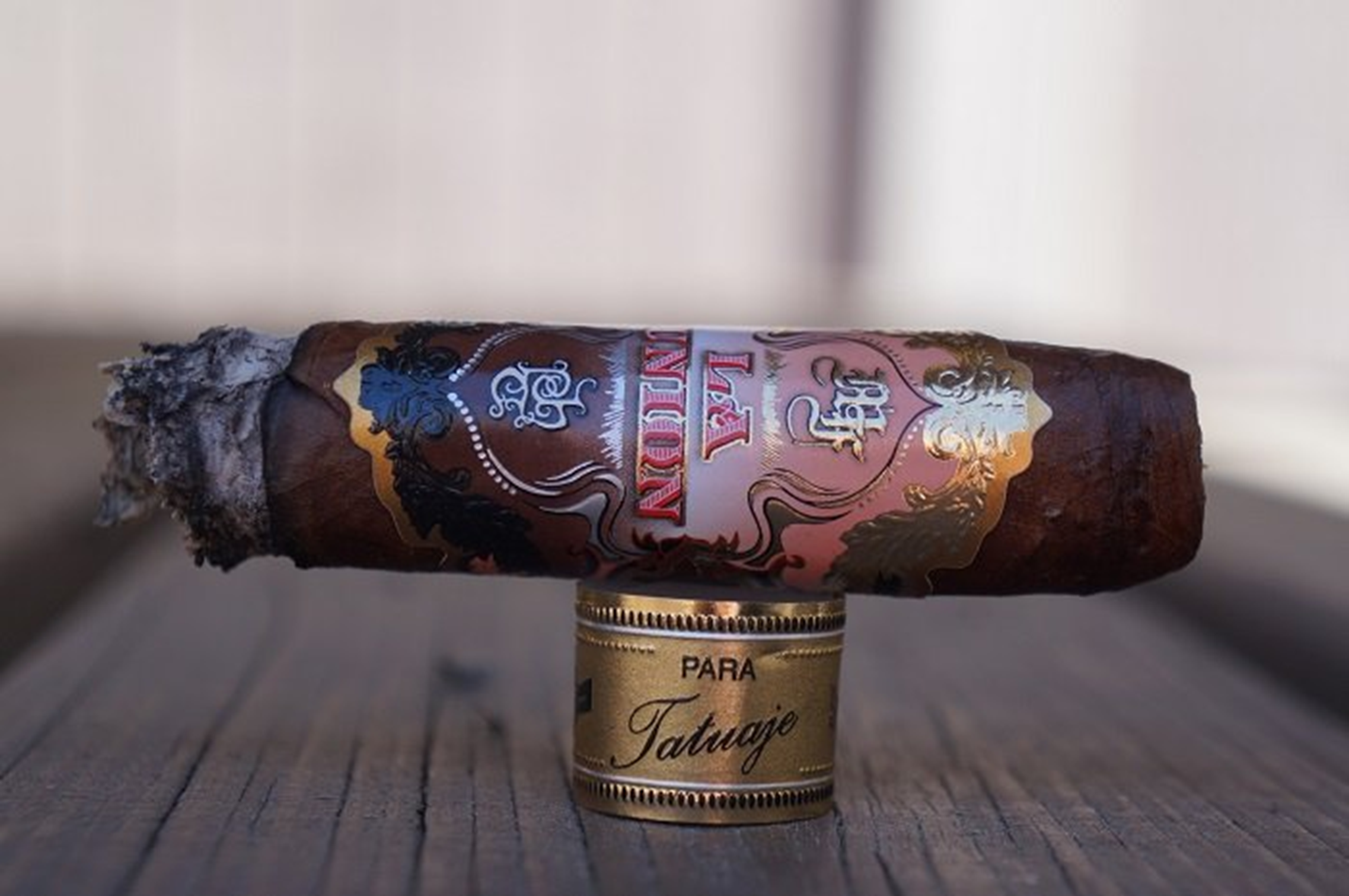
Origin & Production: LFD Cigars was founded in 1996 by Litto Gomez, known for bold profiles, expert construction, and complex flavors.
Location: LFD cigars are produced in Tamboril, Dominican Republic, where the company controls the entire production process from growing its own tobacco to rolling and boxing the cigars.
Tobacco: The brand uses a variety of tobaccos including: Ligero, Criollo and Habano.
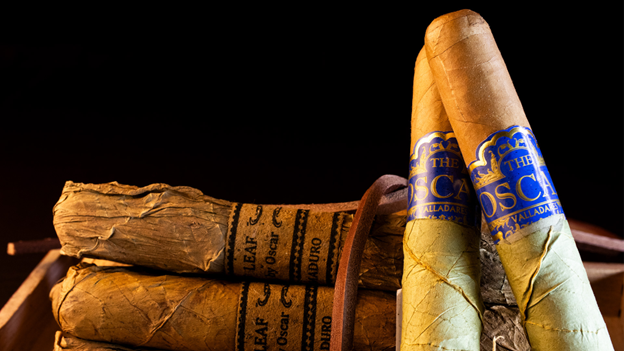
Leaf by Oscar Cigars
Origin & Production: Cigars are hand-rolled individually wrapped in an outer tobacco leaf for protection.
Location: The factory is located in Honduras, and the different tobaccos are sourced from their respective regions of origin.
Tobacco: Different versions of the cigar use various tobacco blends, such as the Connecticut, which features a Honduran Connecticut wrapper, binder, and filler, and the Maduro, which uses a Nicaraguan Jalapa wrapper with Honduran binder and filler.
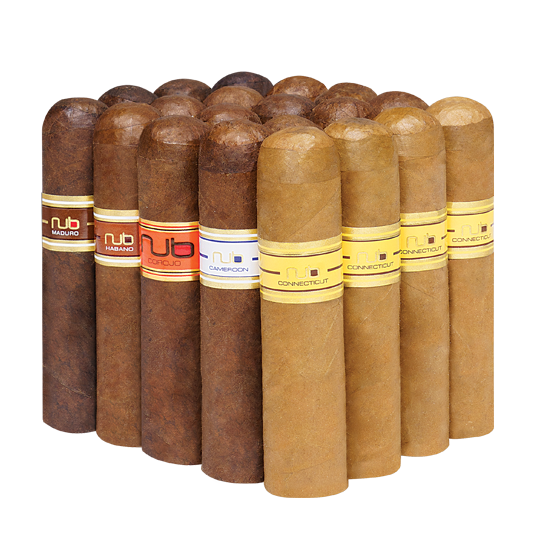
Nub Cigars
Origin & Production: The cigars are known for their short, stout shape and are made with a variety of tobacco types, including a Brazilian wrapper for the Maduro variety and a Cameroon wrapper for the Cameroon line.
Location: Originate from Nicaragua and are produced by the Oliva Cigar Company as its factory in Esteli.
Tobacco: ‘Habano’ is made with a Habano wrapper and 100% Nicaraguan tobacco. ‘Cameroon’ features Nicaraguan binders and fillers with tasting notes including cedar, cinnamon, nuts and earth. ‘Connecticut’ binders are grown in Ecuador, with filler from Nicaragua. ‘Maduro’ has a dark, oily Brazilian wrapper. ‘Nuance’ is an infused line that combines coffee flavors like espresso, macchiato, and cappuccino with the cigar.
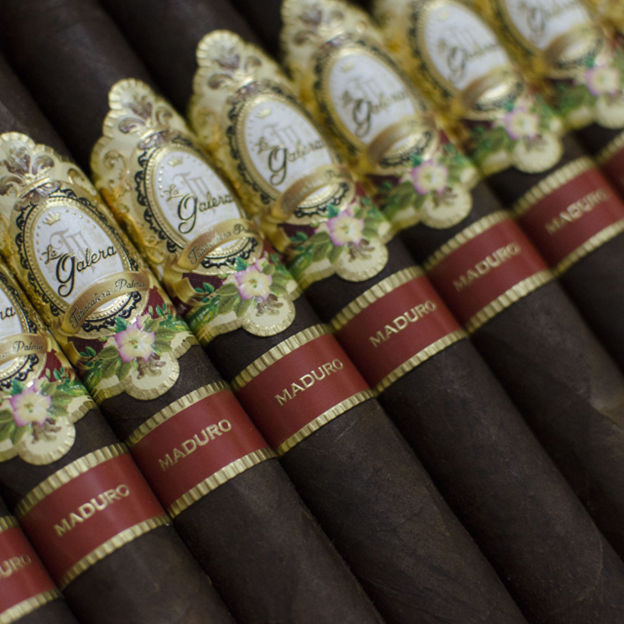
Galeria Cigars
Origin & Production: The manufacturer is Tabacalera Palma, a family-owned factory established by Jochy Blanco’s father; (a third-generation tobacco grower & cigar maker). The factory was established in 1936, but the brand was launched in 2008 by Jochy Blanco.
Location: Factory is located in the Cibao Valley, Dominican Republic, near Santiago, with specific farms also in La Canela, Gurabo, Jacagua, and Mao.
Tobacco: The production emphasizes premium aged tobacco, carefully fermented and aged to create high-quality blends.
Davidoff Cigars
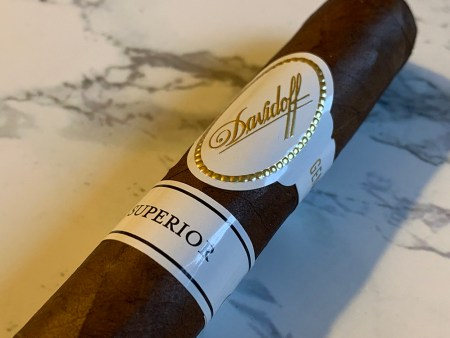
Origin & Production: Headquarters in Basel, Switzerland, moved its production to the Dominican Republic in the early 1990s after previously being made in Cuba. They maintain a vertically integrated production process, controlling every step from seed to store shelf.
Location: Majority are handcrafted in the Dominican Republic at the Tabadom factory in Santiago. Some are produced in Honduras at Diadema Cigars de Honduras, S.A. in Danli.
Tobacco: Sourced from multiple countries to create a variety of blends; including the Dominican Republic, Nicaragua, Brazil, Peru, Mexico, Ecuador, Honduras & the USA. Davidoff places a strong emphasis on aging tobacco, with some tobaccos aged for 10 years or more.
Espinosa Cigars
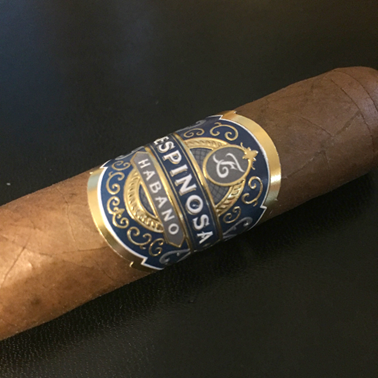
Origin & Production: Erik Espinosa, a seasoned industry veteran with Cuban-American roots, founded Espinosa Cigars in 2012 after decades of working with other major cigar companies like Rocky Patel and Drew Estate.
Location: Brand was established with the opening of his own factory, La Zona in Esteli, Nicaragua. Some collaborations like the Knuckle Sandwich series, have been produced at the A.J. Fernandez San Lotano factory, also in Nicaragua, to meet demand and explore different blending possibilities.
Tobacco: Known for its bold, full-flavored blends that heavily feature rich Nicaraguan tobacco from regions like Esteli, Jalapa, Condega, and Ometepe.
Africa Cigars
Origin & Production: Bongani cigars are the first premium cigars made in Africa. Uses a locally trained team of rollers, with the first graduating in 2017.
Location: Originating and produced in Mozambique, with the factory located in the capital city of Maputo.
Tobacco: Wrappers are from Cameroon and filler tobacco from Mozambique and Nigeria, with aging occurring in cedar from Ghana.
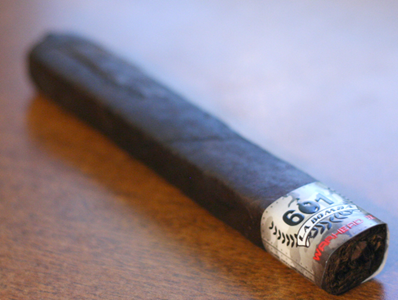
601 Cigars
Origin & Production: Brand made by Espinosa Premium Cigars. 601 series was originally created by master blenders Erik Espinosa & Eddie Ortega (EO Cigars) with the assistance of Don ‘Pepin’ Garcia in the mid-200s. The name ‘601’ reportedly comes from the date Erik and Eddie first visited Pepin’s factory in Nicaragua.
Location: La Zona Cigar Factory in Esteli, Nicaragua, owned by Erik Espinosa. San Lotano Factory in Ocotal, Nicaragua, owned by A.J. Fernandez.
Tobacco: Generally known for its medium-full to full-bodied strength profiles, with rich flavors derived primarily from Nicaraguan long-filler tobaccos.
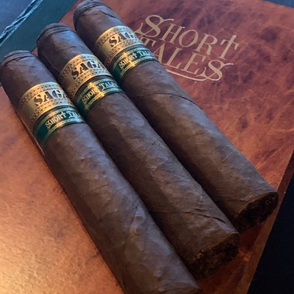
Saga Cigars
Origin & Production: Originate from the Reyes family, who have been in tobacco for over 160 years. Saga brand was launched in 2014.
Location: Production is located at the De Los Reyes S.A. factory in Santiago, Dominican Republic.
Tobacco: Blends primarily feature high-quality Dominican tobaccos from the Reyes family’s own farms i.e. San Vicente, Cotui, Piloto Cubano, Criollo, and Olor, often supplemented by leaves from other regions like Ecuador, Nicaragua, Brazil, Mexico, and the USA.
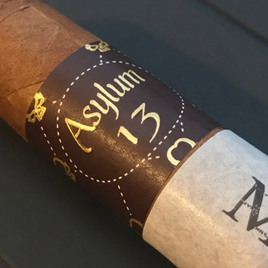
Asylum Cigars
Origin & Production: Originate from a partnership between Christian Eiroa and Tom Lazuka. Known for its premium, often large-ring gauge cigars.
Location: Production is split between the Aladino factory in Danli, Honduras, and the Tabacaleras Unidas factory in Esteli, Nicaragua.
Tobacco: Blended from Nicaragua and Honduras, including a wrapper from Cuban-seed tobaccos.
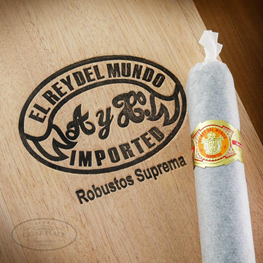
El Ray Demundo Cigars
Origin & Production: Originally created in Cuba around 1848. A separate Honduran-produced brand was created by the Villazon family.
Location: Handmade in the HATSA factory in Danli and Jamastran Valley, major cigar hubs in Honduras.
Tobacco: Uses a blend of Honduran fillers and binders, with Connecticut Broadleaf or Ecuadorian Sumatra wrapper.
La Aroma de Cuba Cigars
Origin & Production: Brand originated in Cuba in the late 1800s and was once a favorite of Winston Churchill.
Location: Produced today in Nicaragua by the Garcia family’s My Father Cigars factory. The brand was reborn in Nicaragua over a century after its Cuban origins, with a commitment to the Garcia family’s Cuban heritage.
Tobacco: Premium, aged Nicaraguan tobaccos are used for binders and fillers, and some wrappers are from Nicaragua or Mexico. The cigars are crafted using meticulous techniques, including the ‘entubado’ method, and finished with a traditional triple cap.

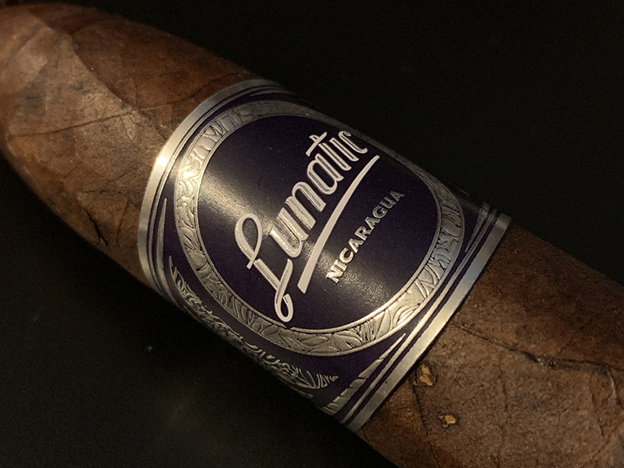
Lunatic Cigars
Origin & Production: The in the name stands for ‘Just for Retailers’, as the line was initially created specifically for brick-and-mortar cigar shops. The ‘Lunatic’ moniker refers to the blend’s typically large ring gauges.
Location: Handmade at the Aganorsa Leaf factory in Esteli, Nicaragua.
Tobacco: Primarily sourced from Aganorsa’s own farms within Nigaragua and from Mexico.
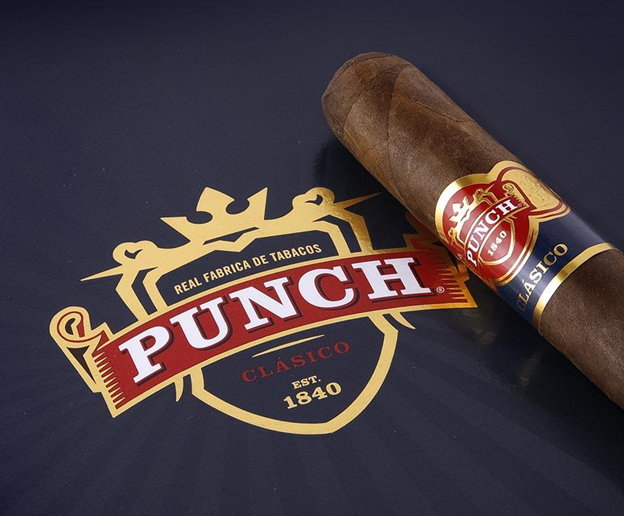
Punch Cigars
Origin & Production: Dual origin with the original Cuban brand created in 1840 for the British market and a separate, non-Cuban version established in Honduras in 1969 for the American market.
Location: Original Cuban brand is still produced in Havana, while the non-Cuban version is primarily made in Honduras using Cuban-seed tobacco from Honduras, Nicaragua, and the Dominican Republic.
Tobacco: Filler often includes tobaccos from Honduras, Nicaragua, and the Dominican Republic. An Ecuadorian Sumatra-seed wrapper is used for some lines, such as the Punch Natural. A USA Connecticut binder is used for some lines.
Arturo Fuente Cigars
Origin & Production: The company is family-owned and hand-rolls its cigars, a tradition that started with Cuban-born Arturo Fuente and has been carried on through generations, most notably by his son, Carlos, and grandson, Carlito.
Location: Originated in 1912 in Tampa, Florida. Main production is in the Dominican Republic, where the company owns land, such as the Chateau de la Fuente estate, to cultivate its own tobacco. Additional location is a new factory in Esteli, Nicaragua.
Tobacco: The Fuente family was one of the first to grow their own high-quality wrapper tobacco in the Dominican Republic. After harvesting, the leaves are fermented and aged for years to develop rich, complex flavors. The final blends are a result of meticulous craftsmanship, combining different tobaccos to achieve specific flavor profiles.
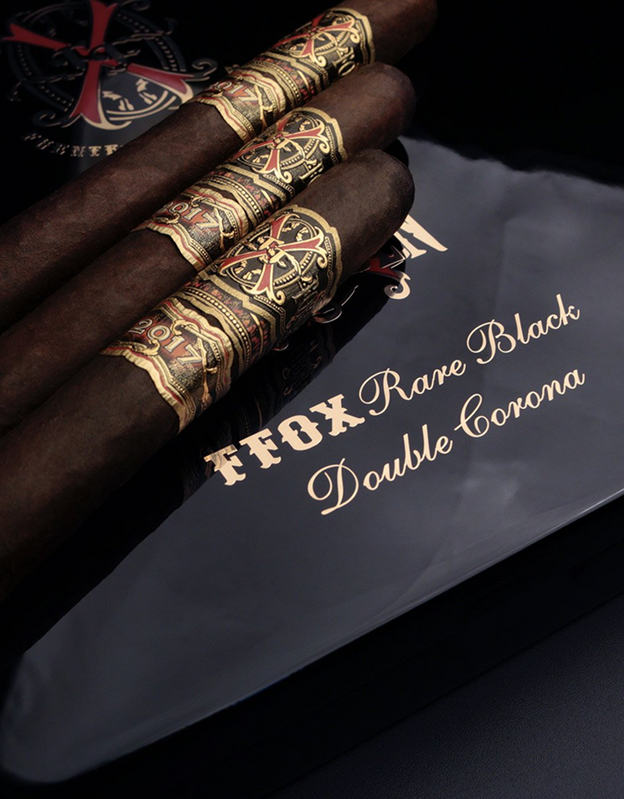
Acid Cigars
Origin & Production: Created by Jonathan Drew & Marvin Samel in the late 1990s after moving to Nicaragua to cultivate their own tobacco. The name was inspired by their street artist friend, Scott ‘Acid’ Chester.
Location: Cigars are manufactured at the company’s factory, La Gran Fabrica Drew Estate, in Esteli, Nicaragua.
Tobacco: A key part of the production is infusing the cigars with a secret blend of over 150 essential oils, herbs, and botanicals. This is done by curing the tobaccos in rooms lined with these ingredients.
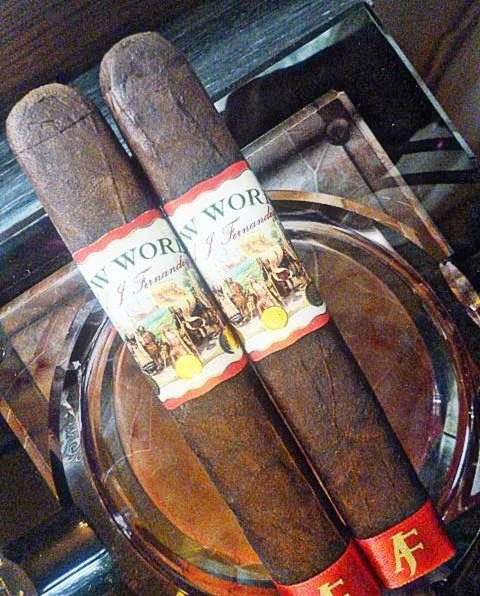
New World Cigars
Origin & Production: Many New World cigar makers are the decedents of Cuban families who fled after 1959, bringing their knowledge and seeds with them to countries like the Dominican Republic and Nicaragua.
Location: Large-scale AJ Fernandez factories located in Nicaragua, Honduras, and the Dominican Republic.
Tobacco: Blends are sourced from various countries and regions to achieve different strengths and flavor profiles.
Rocky Patel Cigars
Origin & Production: Cigars originate from a brand founded by Rakesh “Rocky” Patel in 1995, initially with the brand Indian Tabac, and re-branded as Rocky Patel Premium Cigars in 2006.
Location: Handcrafted in Central America, primarily in Nicaragua and Honduras, using premium tobacco sourced from various countries like Ecuador, Mexico, Nicaragua, Honduras, and the Dominican Republic.
Tobacco: Aged for a minimum of three years, and the production process involves both hand-rolling and rigorous quality control in factories like the El Paraiso in Honduras and factories in Nicaragua.
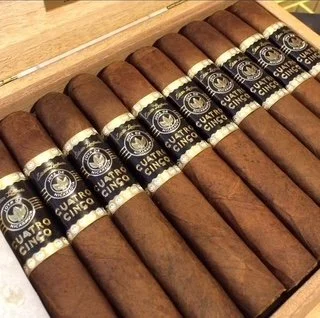
Cuatro Cinco Cigars
Origin & Production: Limited-edition, hand-rolled cigars from the oldest cigar factory in Joya de Nicaragua, to celebrate its 45th anniversary.
Location: Made in Esteli, Nicaragua, but the tobacco used is from both Esteli and the Jalapa valley in Nicaragua.
Tobacco: Filler features a special 5-year-old ligero from the factory’s reserves. The filler tobacco is aged in oak barrels for over a year. The wrapper and binder are made from Nicaraguan tobacco grown in the Jalapa valley.
Brioso Cigars
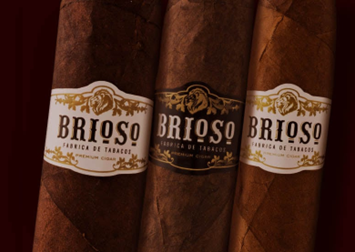
Origin & Production: ‘Everyday’ premium cigar brand manufactured by the General Cigar Company, a major name in the cigar industry which is also behind brands like Macanudo and Partagas.
Location: Primacy production location is in the Dominican Republic, specifically in Santiago.
Tobacco: Feature a multi-national blend of tobaccos from The Dominican Republic, Mexico, and Nicaragua, along with a Honduran wrapper. This blend helps achieve a balanced, medium-bodied smoke.
My Father Cigars
Origin & Production: The Garcia family’s goal is to recreate the Cuban style of cigar making as closely as possible, but they achieve this without using Cuban tobacco.
Location: Originated in Nicaragua. In 2009, the family opened a state-of-the-art factory and farm complex in Esteli, Nicaragua; including tobacco fields, barns and other processing areas.
Tobacco: The brand uses specially selected tobacco, grown on its own farms. The filler and binder tobaccos are sourced from three different areas in Nicaragua: San Rafael, Las Quebradas, and San Jose.
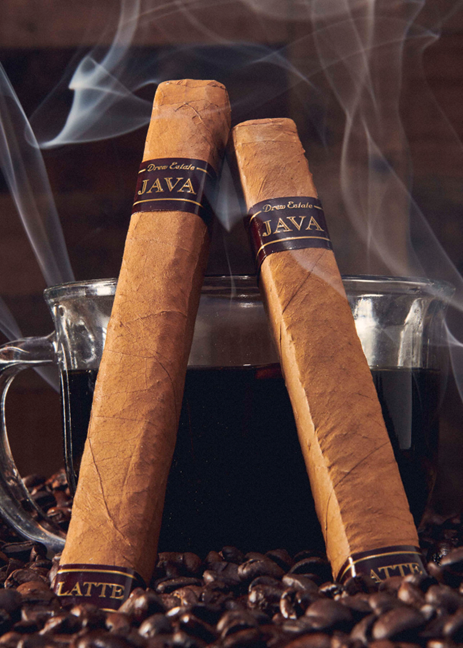
Java Cigars
Origin & Production: Collaboration between Drew Estate and Rocky Patel.
Location: Handcrafted at the Drew Estate factory in Esteli, Nicaragua.
Tobacco: Coffee-infused and made with a mix of Nicaraguan long-filler tobaccos and either Brazilian (Java Original) or an Ecuadorian Connecticut wrapper (Java Latte). The coffee-infused smoke has notes of mocha, caramel, and vanilla.
Oliva Cigars
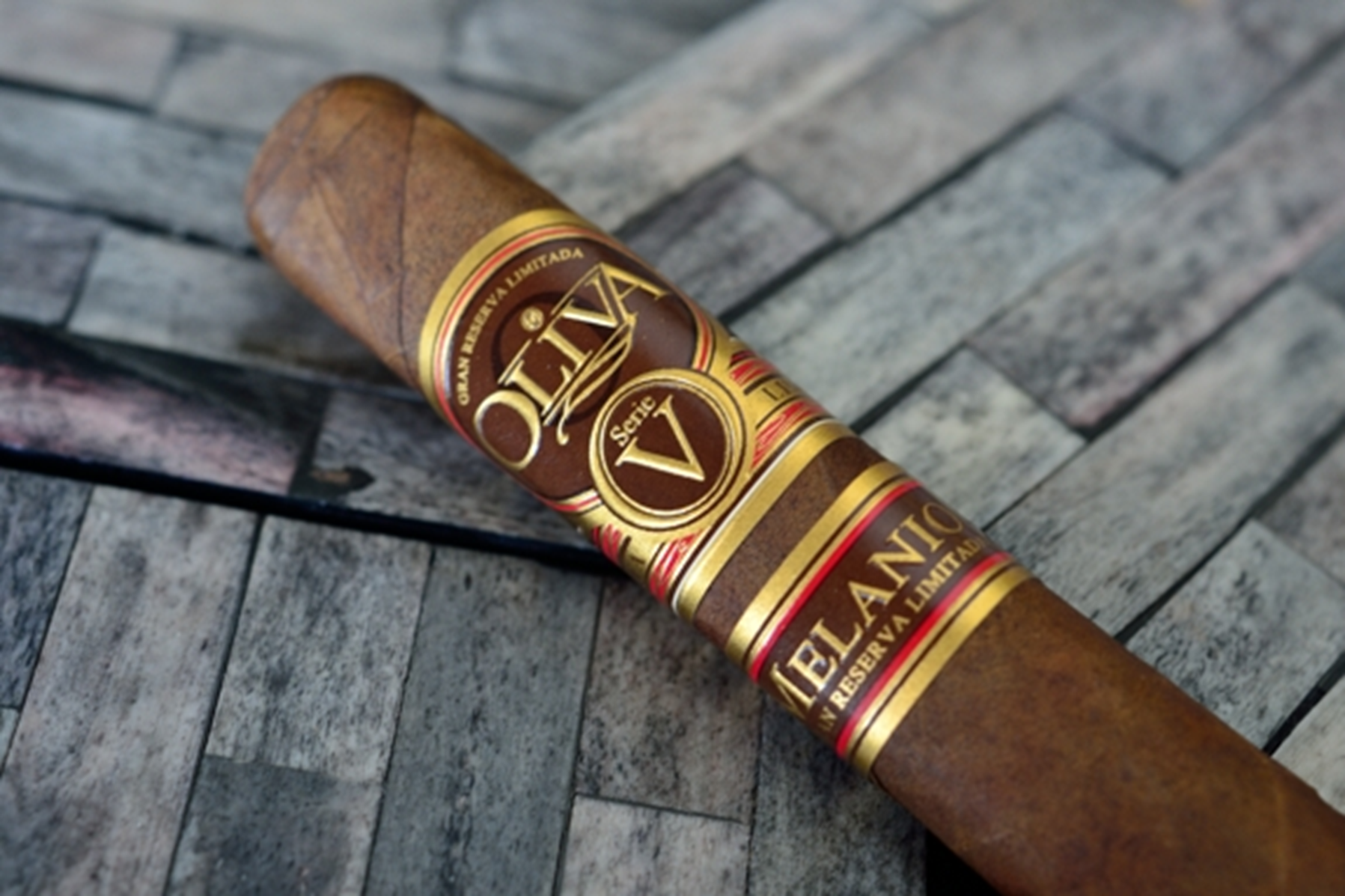
Origin & Production: The company’s roots trace back to1886 in Cuba when Melanio Oliva began growing tobacco. In 1995, Gilberto Oliva and his son, Gilberto Jr., launched the Oliva brand, which has since grown into a major producer.
Location: The family fled Cuba after the 1959 revolution, settling first in Spain before moving to Nicaragua to continue their legacy in the tobacco industry.
Tobacco: Majority of the tobaccos used are from Nicaragua, often featuring Cuban-seed strains. Different brands utilize tobaccos from various Nicaraguan growing regions, such as Esteli, Jalapa, Condega, Somoto, Pueblo Nuevo, and Ometepe. Some specific cigar lines use wrappers from Ecuador.
Montecristo Cigars
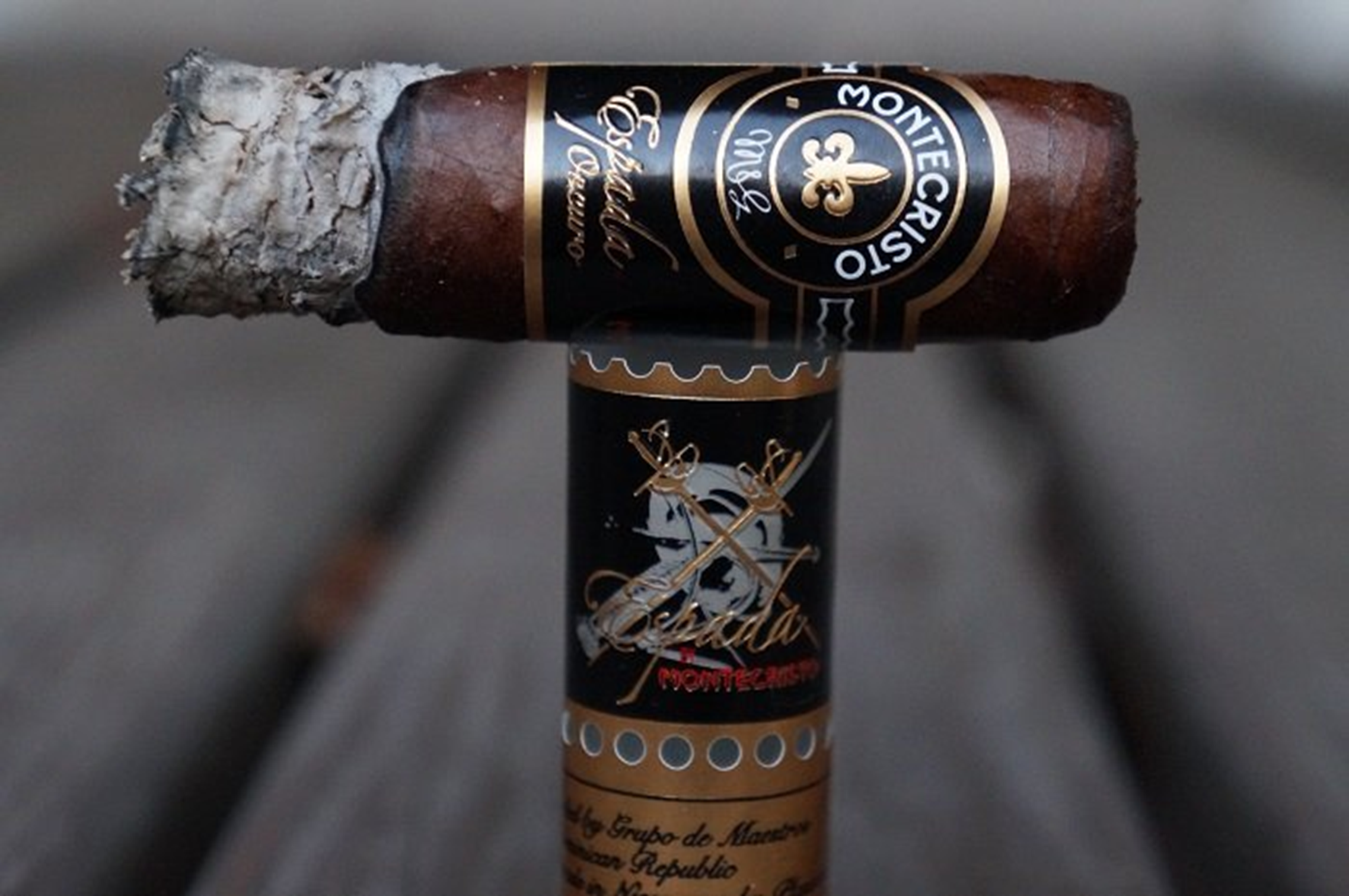
Origin & Production: Founded in 1935 in Havana, Cuba by Alonso Menendez and Pepe Garcia.
Location: Produced by the state-owned company Habanos S.A. in Cuba. Dominican Republic is also a major production hub, with a significant portion of non-Cuban Montecristos made in the La Romana factory. Other locations include Nicaragua, Honduras and the USA.
Tobacco: The blend consists of three types of leaves: Ligero, Seco, and Volado in Cuba. Non-Cuban cigars use a variety of tobaccos depending on the specific line and its country of origin.
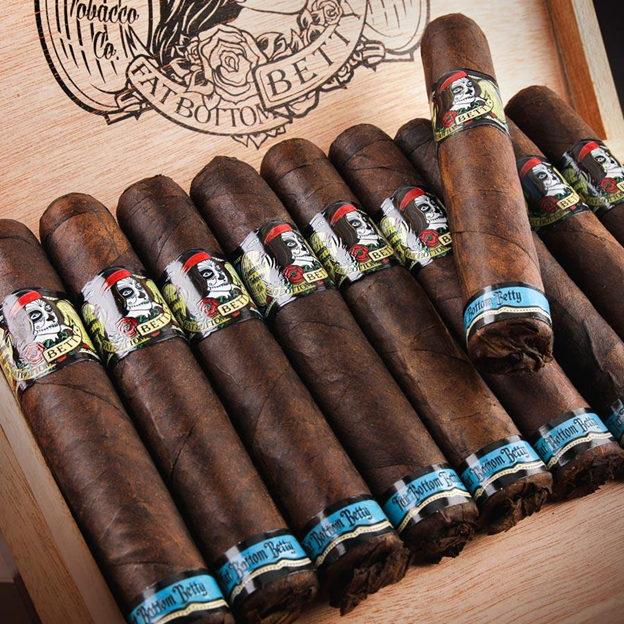
Fat Bottom Betty Cigars
Origin & Production: Originated as a ‘saloon-style’ blend for the physical Deadwood Tobacco Co. cigar lounge in Deadwood, South Dakota. Due to its immense popularity, Drew Estate decided to release it nationally.
Location: Retailer is located in Deadwood, South Dakota. The cigars are manufactured in Esteli, Nicaragua.
Tobacco: A dark, oily Connecticut Broadleaf Maduro wrapper, typically grown in the USA. Binder & Filler are sourced from Nicaragua.
We always have a rotating selection of premium cigars. Come in the shop to discover all we have to offer & our popular Sky Tobacco house brand too!